“Art has a unique way of reflecting and resonating with our innermost thoughts and emotions. Incorporating those feelings into your own painting is a powerful way to express and process your journey.”
Student Artist
Javier Armenta
“Art has a unique way of reflecting and resonating with our innermost thoughts and emotions. Incorporating those feelings into your own painting is a powerful way to express and process your journey.”
— Javier Armenta
Artist
David Labkovski
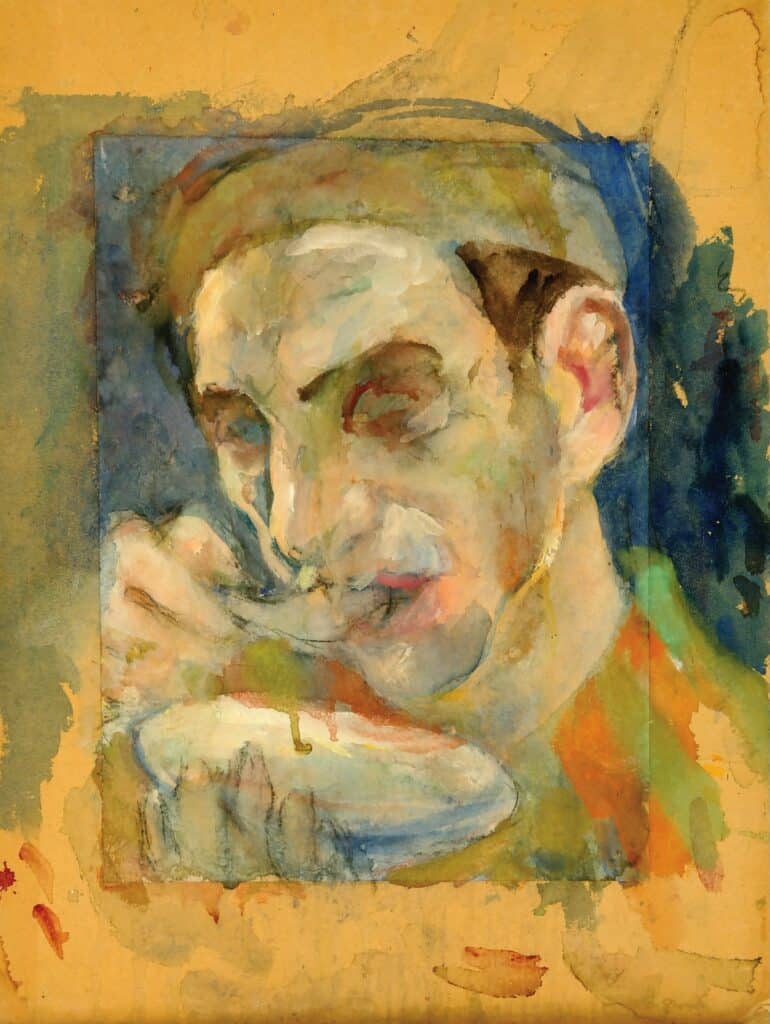
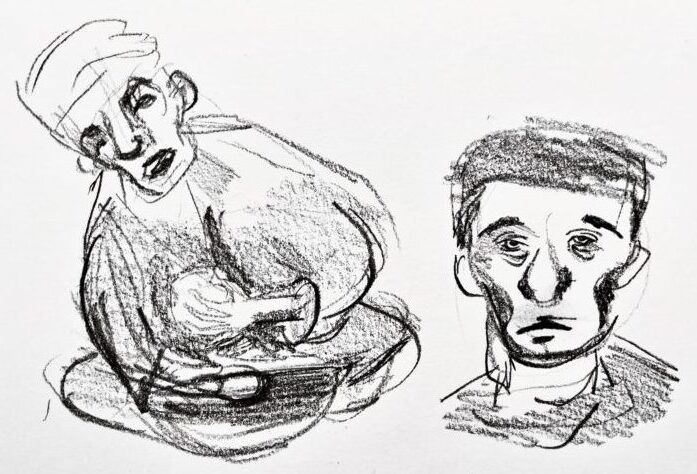
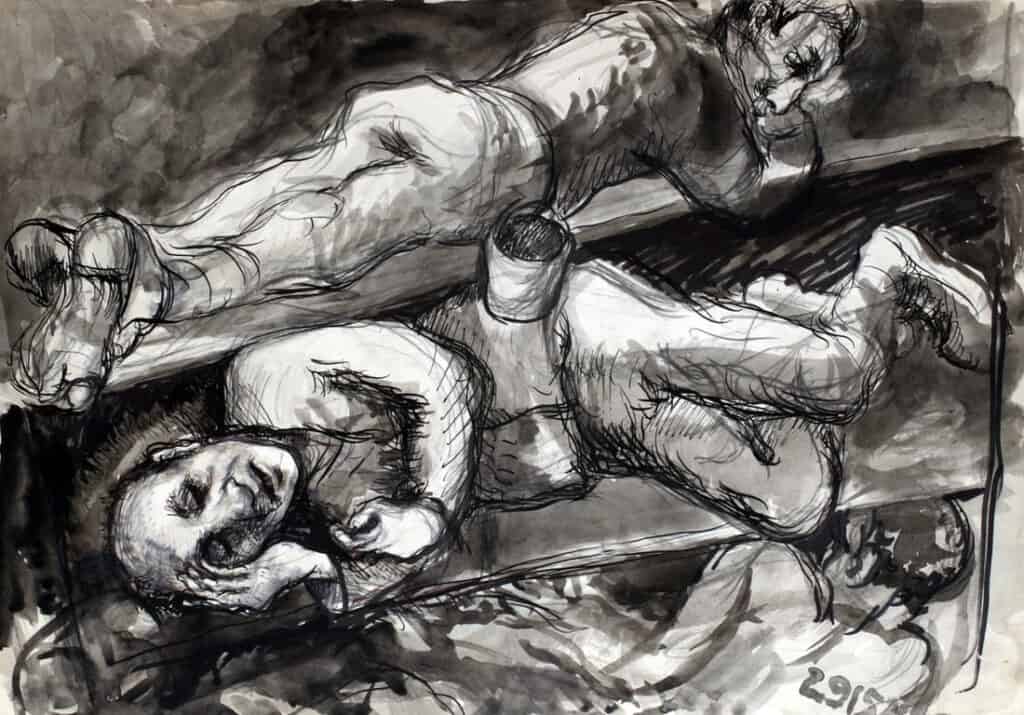
“I chose this sketch by Labkovski because it particularly resonated with me. I loved the way he captured the frailty of the old man, whose spoon is almost the size of his arm and whose clothes are loose around his wrists. It reminded me of the feeling of insignificance and hollowness; of not knowing where to find strength when things are hard. I feel like every person has experienced this, to varying degrees. In my sketches, I tried to recapture the feeling of emptiness and defeat.”
Student Artist
Lucia Selipanova
“I chose this sketch by Labkovski because it particularly resonated with me. I loved the way he captured the frailty of the old man, whose spoon is almost the size of his arm and whose clothes are loose around his wrists. It reminded me of the feeling of insignificance and hollowness; of not knowing where to find strength when things are hard. I feel like every person has experienced this, to varying degrees. In my sketches, I tried to recapture the feeling of emptiness and defeat.”
— Lucia Selipanova
Artist
David Labkovski
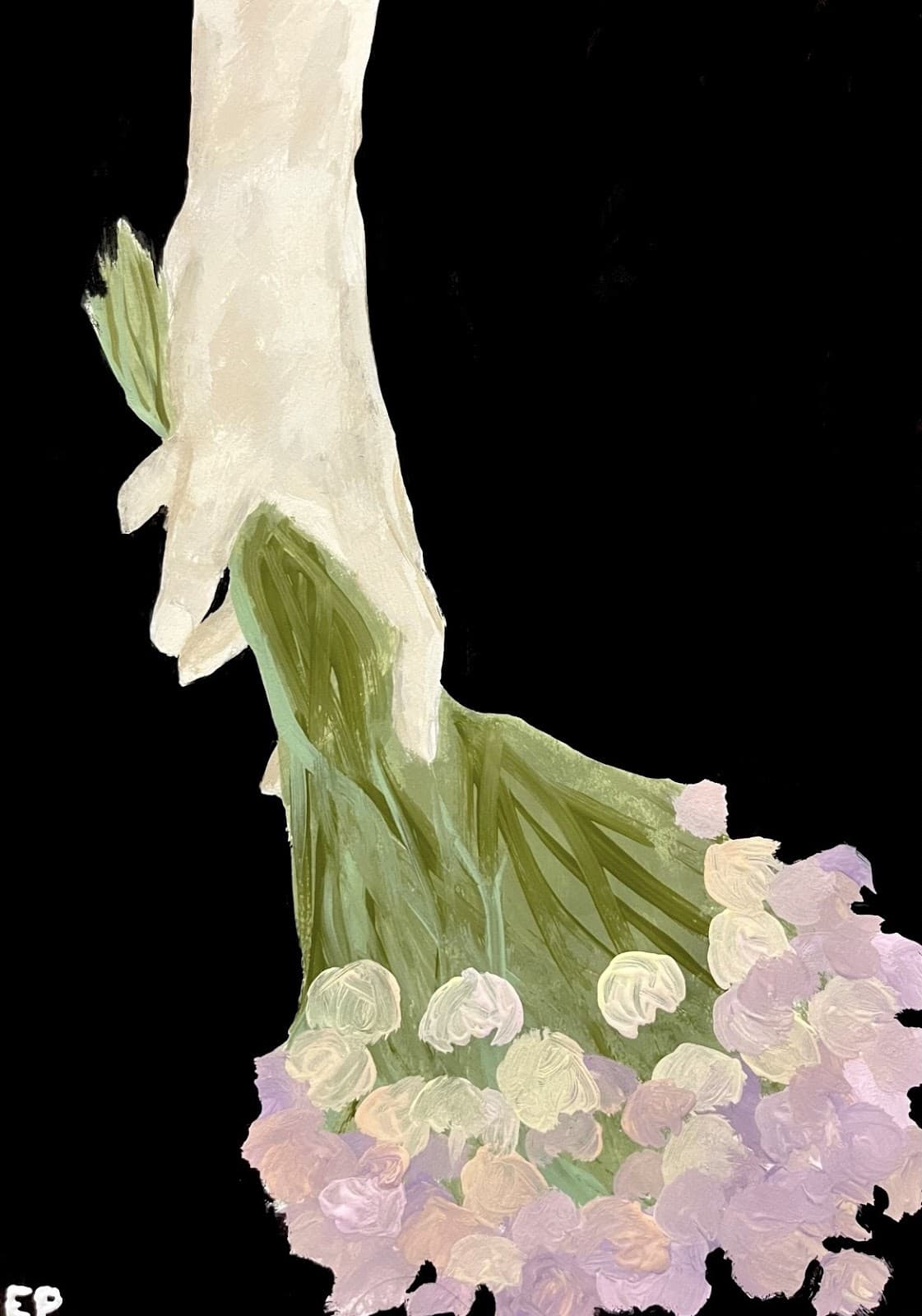
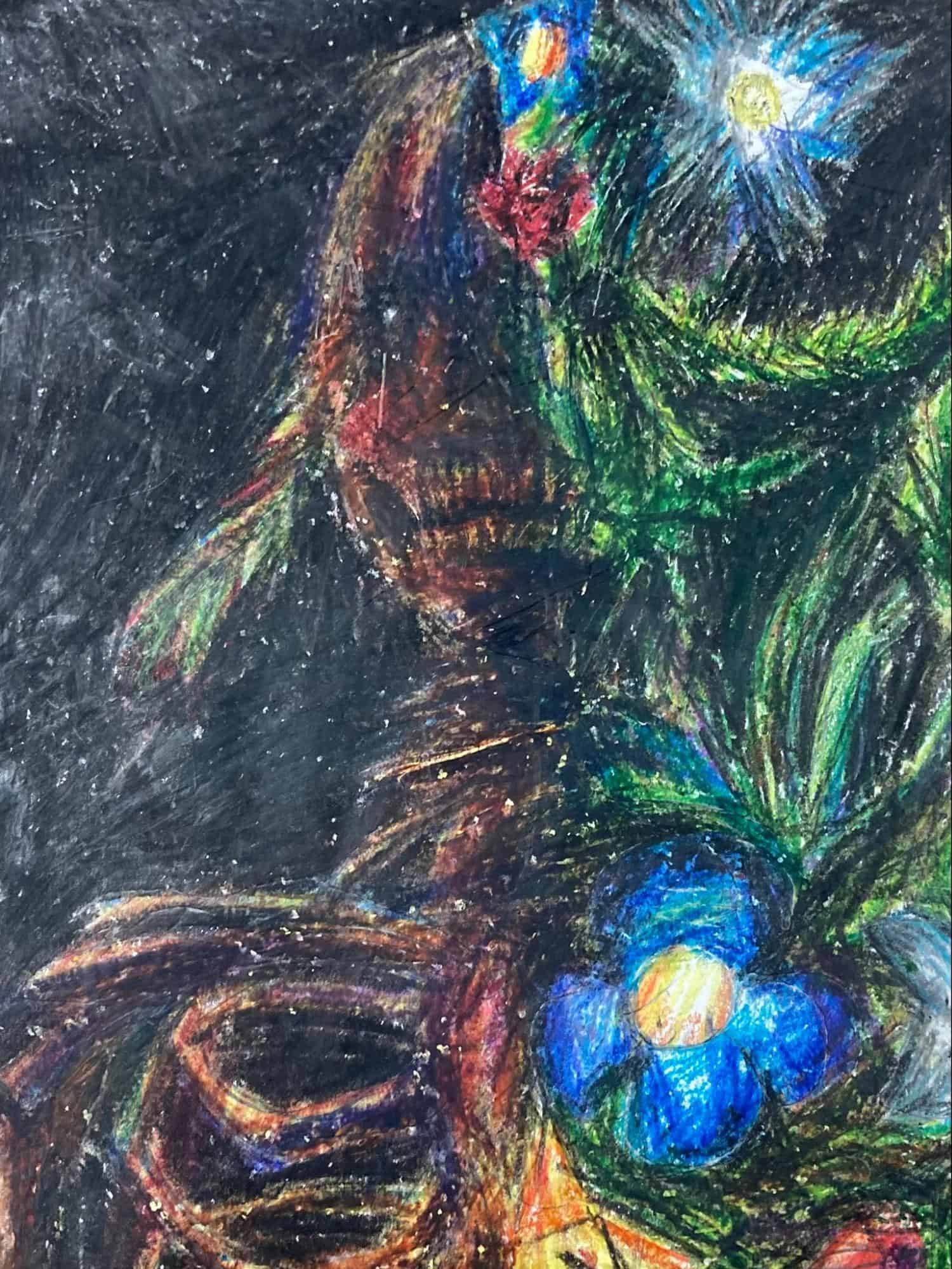
“I created a ‘before’ scene, people were still holding onto hope during dark times. The hand holding the flowers is pale and weak, with a loose grip on the flowers. Although the background is dark and the flowers are almost falling, the person is still holding onto them.”
Student Artist
Eliana Pons
“I created a ‘before’ scene, people were still holding onto hope during dark times. The hand holding the flowers is pale and weak, with a loose grip on the flowers. Although the background is dark and the flowers are almost falling, the person is still holding onto them.”
— Eliana Pons
Artist
David Labkovski
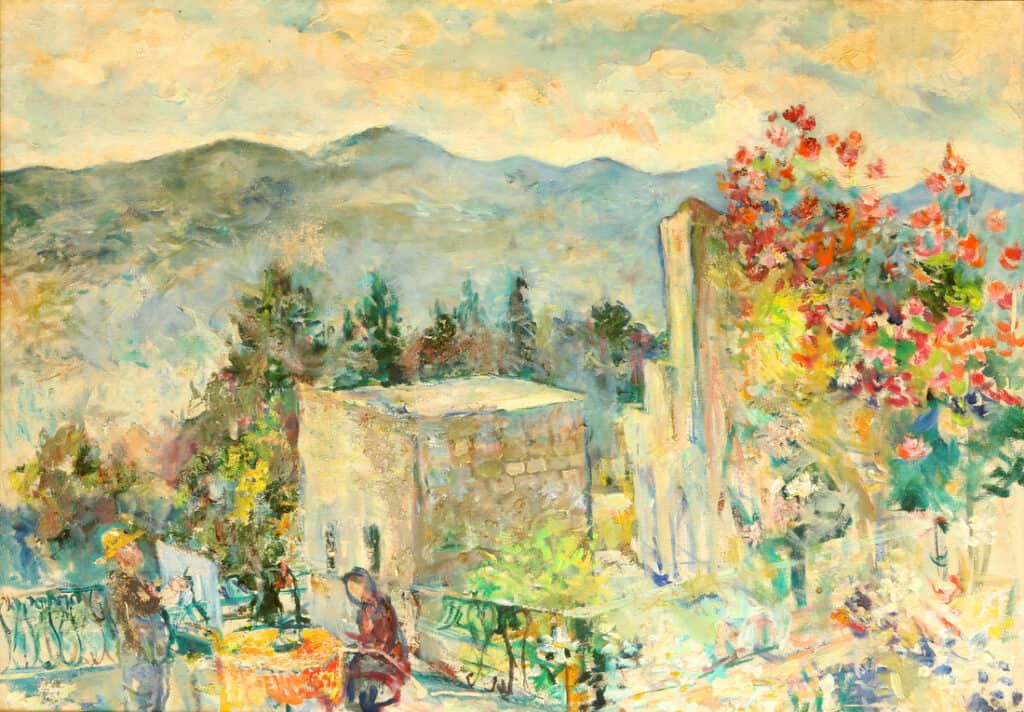
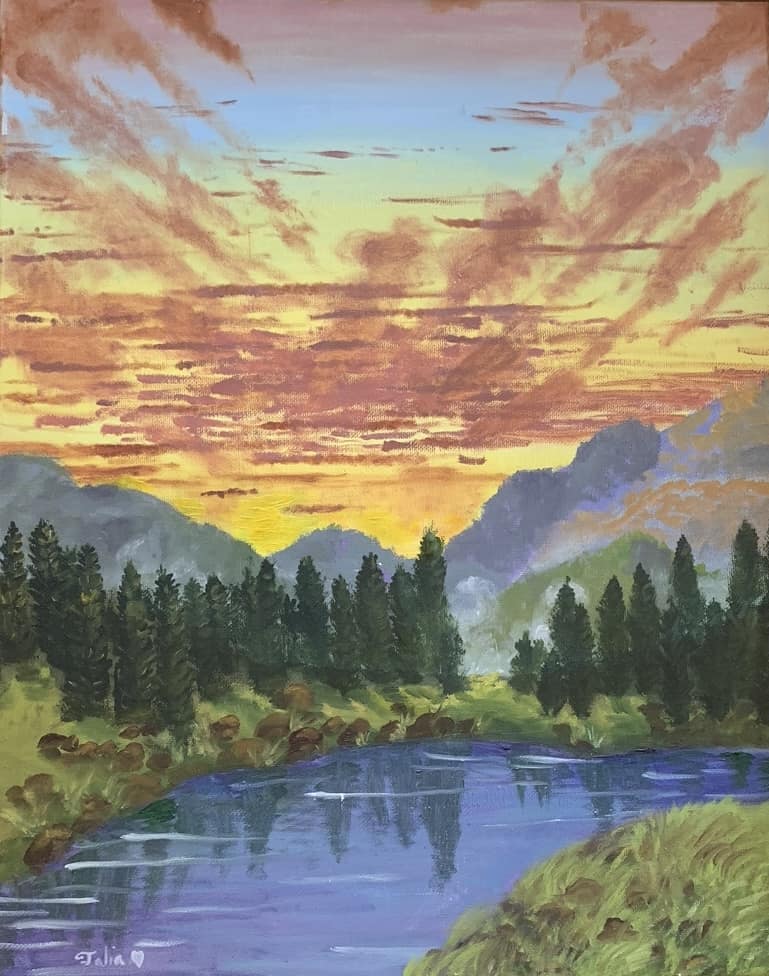
“This art piece depicts a landscape in Israel. To me, this seems like a place David and Rivkah would have pictured living before they were granted permission to go to Israel.”
Student Artist
Talia Shargani
“This art piece depicts a landscape in Israel. To me, this seems like a place David and Rivkah would have pictured living before they were granted permission to go to Israel.”
— Talia Shargani
Artist
David Labkovski
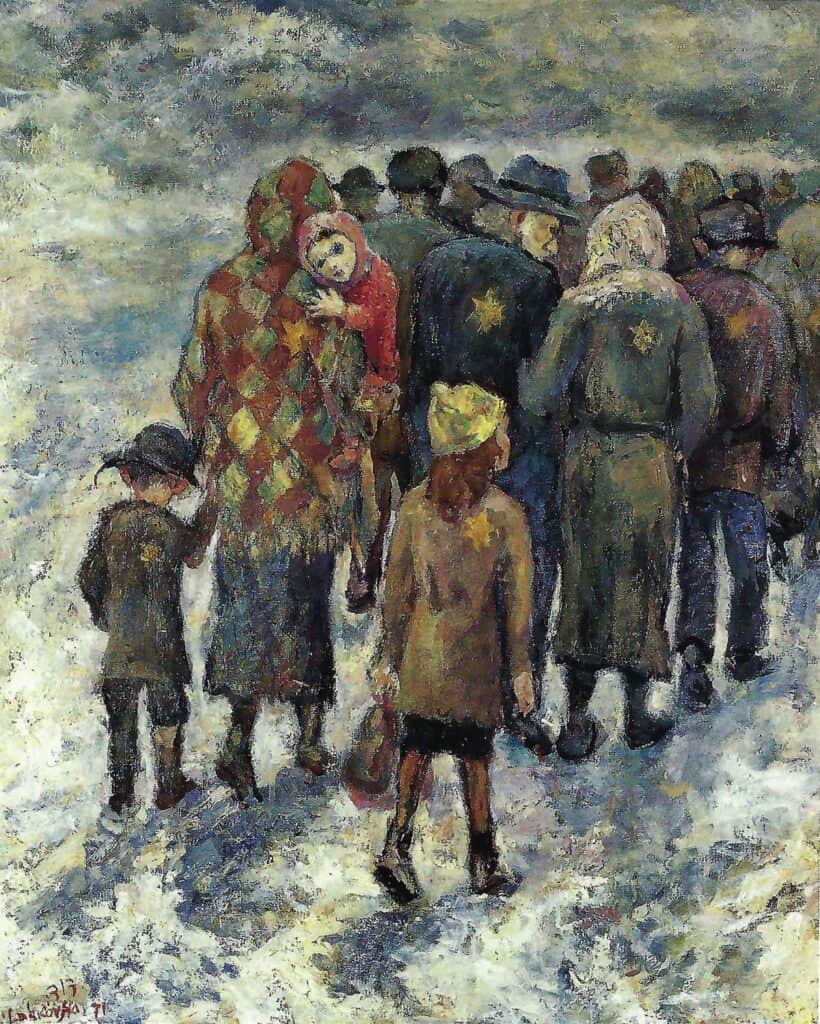
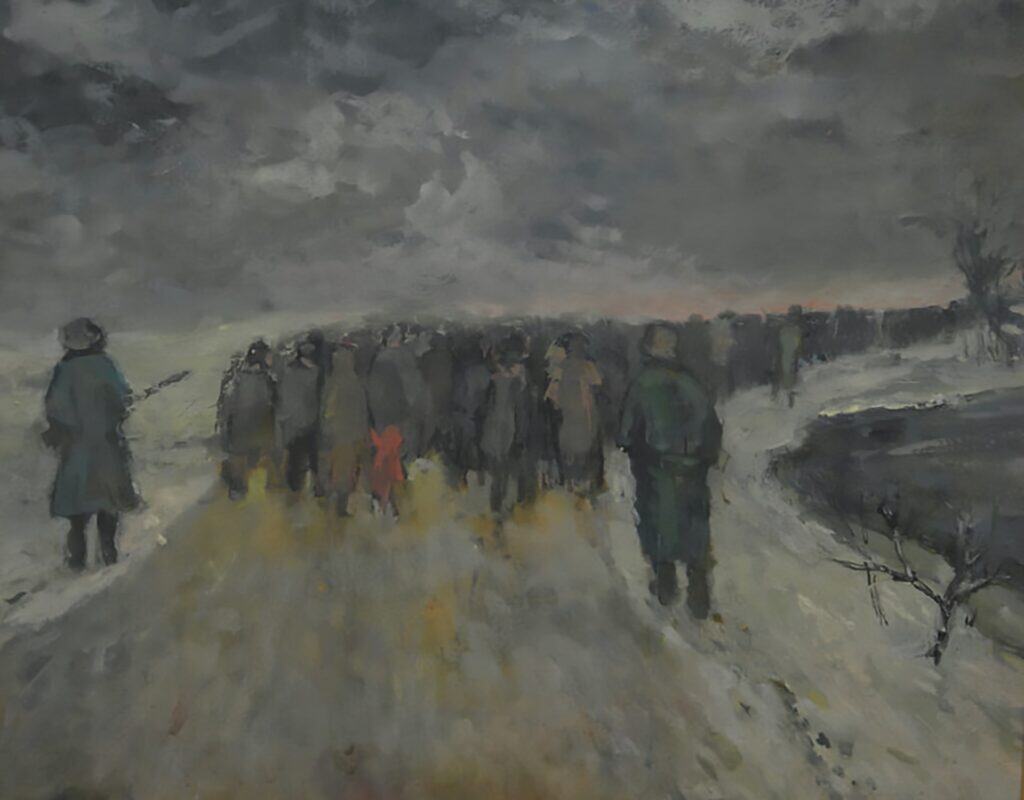
“I believe Labkovski was trying to communicate that even during the dark and terrible times, we still need to remember the innocence of those younger than us, depicted by the little girl, the only one in color. In my art piece, I also used the idea of the little girl walking down the road, but this time I just had her by herself, not with any adults, thinking she could represent a survivor of the Holocaust.”
Student Artist
Zoie Anderson
“I believe Labkovski was trying to communicate that even during the dark and terrible times, we still need to remember the innocence of those younger than us, depicted by the little girl, the only one in color. In my art piece, I also used the idea of the little girl walking down the road, but this time I just had her by herself, not with any adults, thinking she could represent a survivor of the Holocaust.”
— Zoie Anderson
Artist
David Labkovski
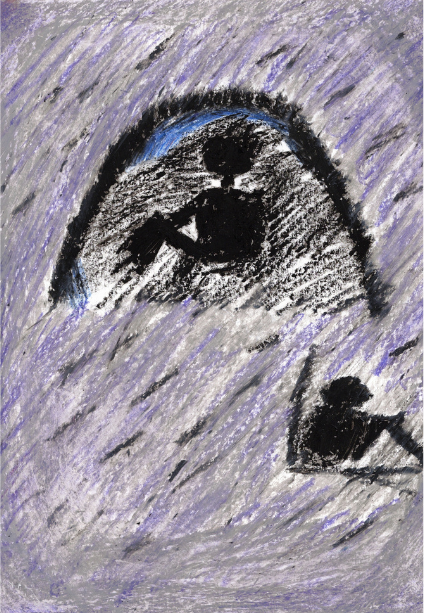
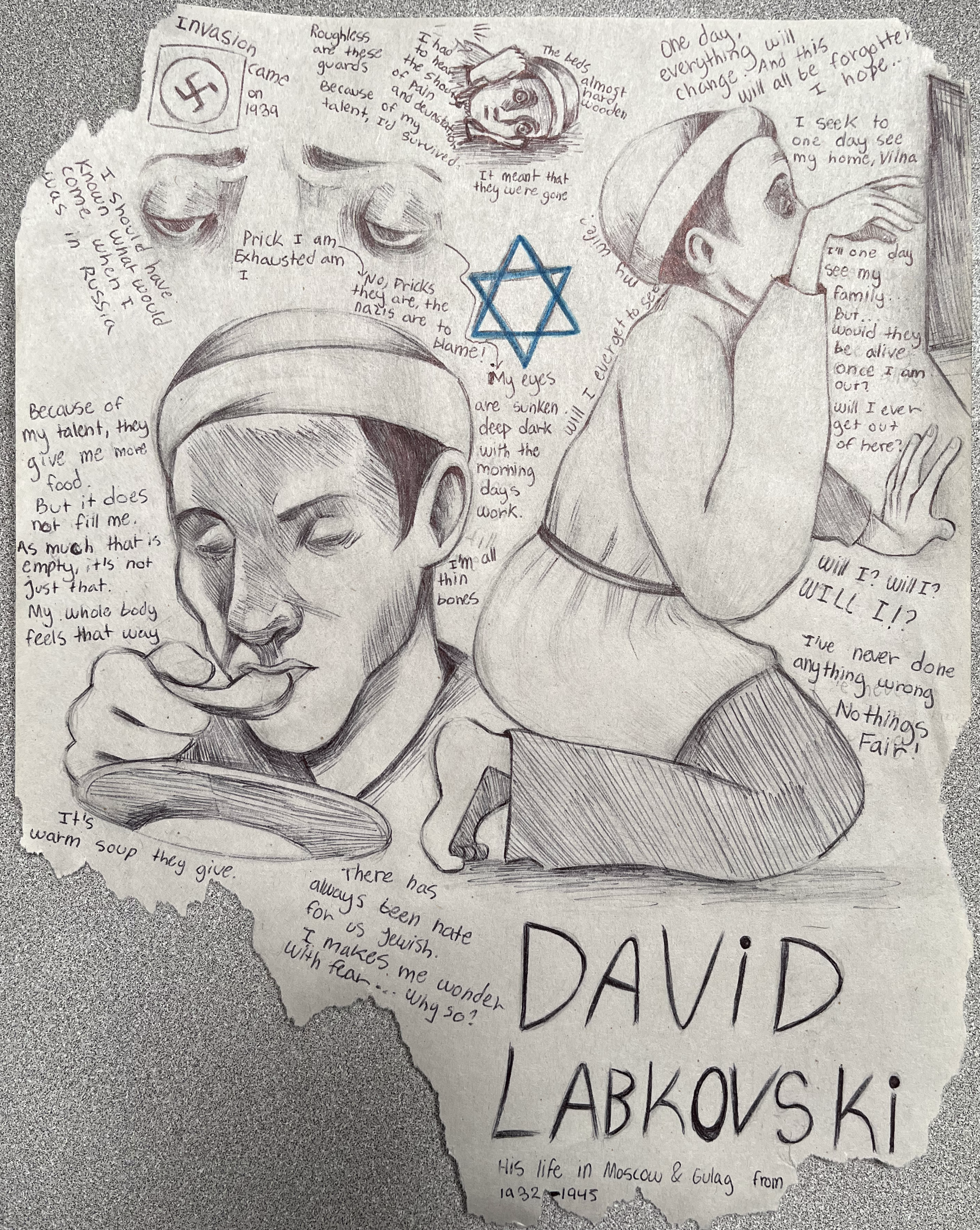
“I found this painting interesting because it shows Labkovski having a meal, which made me wonder: did he use a mirror to recreate himself eating, or was it from his imagination? It led me to draw Labkovski crouching and staring out the window with wide eyes, representing curiosity about what his perspective might have been like. I wanted to show his actions, feelings, and thoughts. Around his portraits, I added words that describe parts of his life, his memories of home, and his family. One day, I believe all wars will be forgotten for good.”
Student Artist
Lindsey Perez
“I found this painting interesting because it shows Labkovski having a meal, which made me wonder: did he use a mirror to recreate himself eating, or was it from his imagination? It led me to draw Labkovski crouching and staring out the window with wide eyes, representing curiosity about what his perspective might have been like. I wanted to show his actions, feelings, and thoughts. Around his portraits, I added words that describe parts of his life, his memories of home, and his family. One day, I believe all wars will be forgotten for good.”
— Lindsey Perez
Artist
David Labkovski
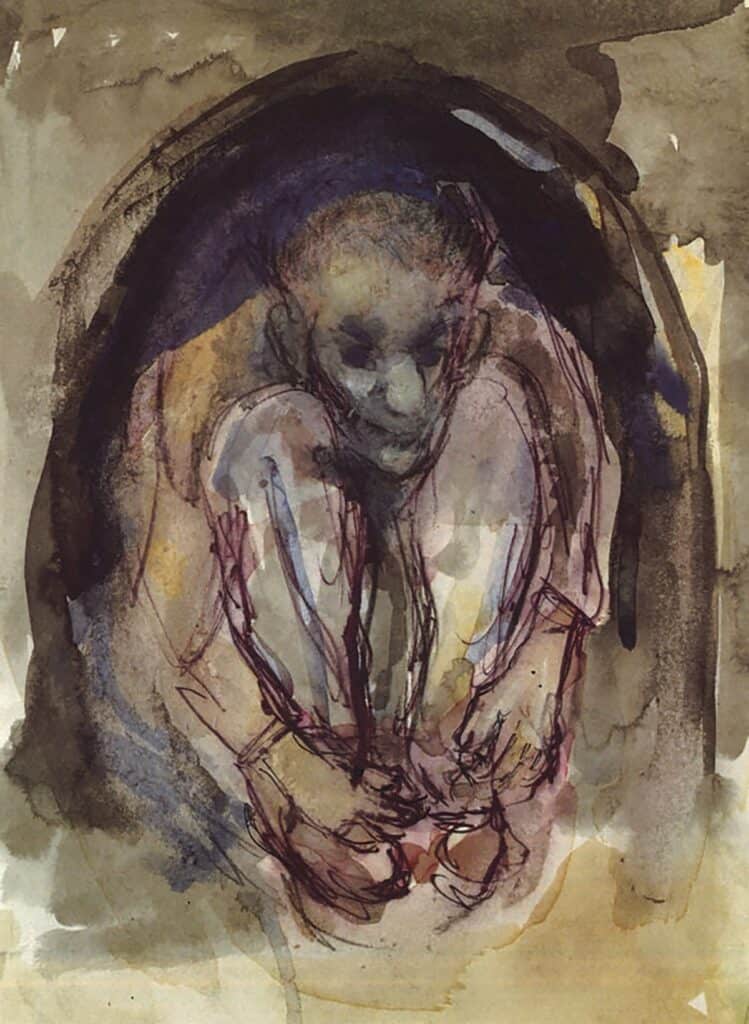
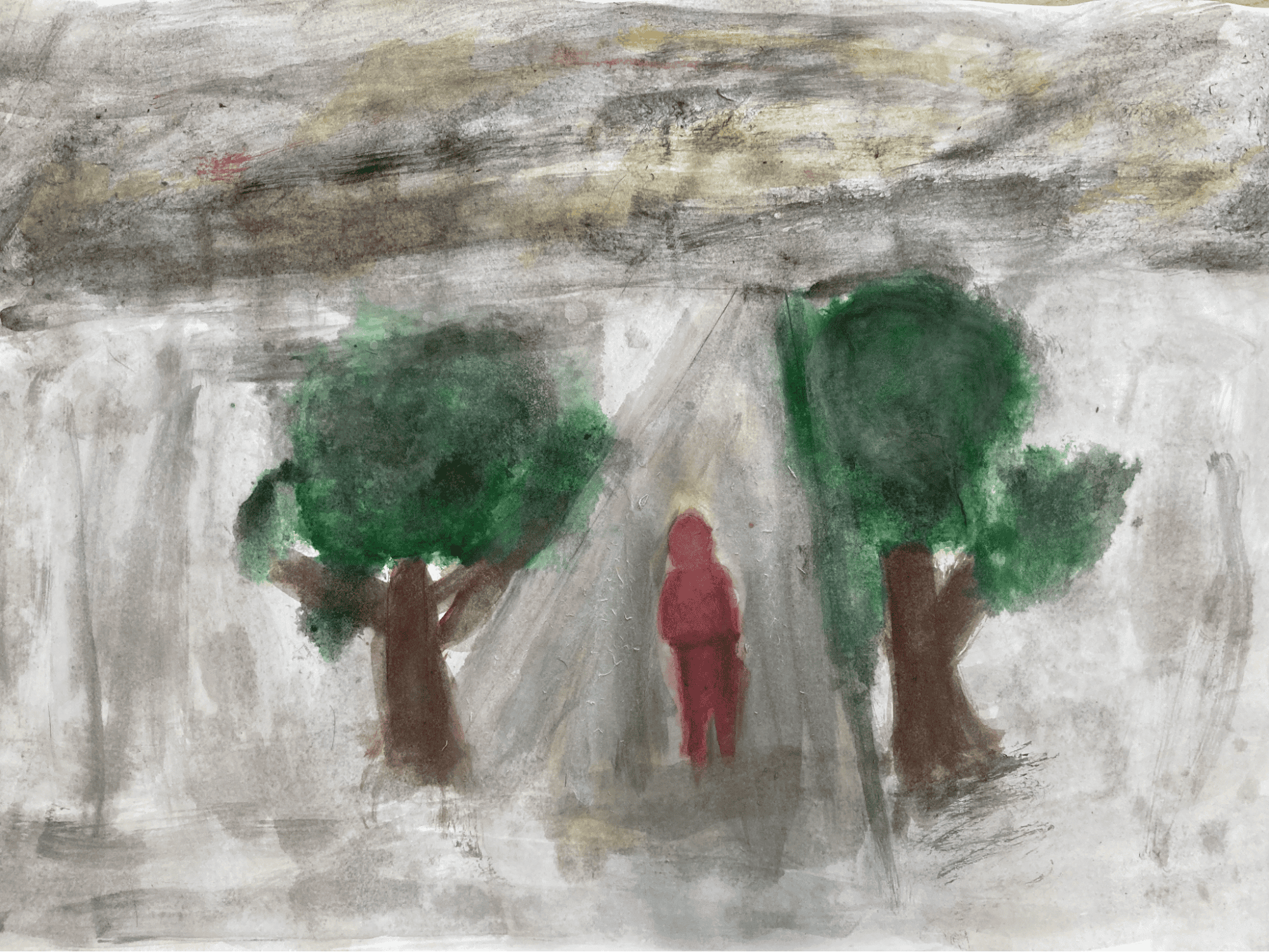
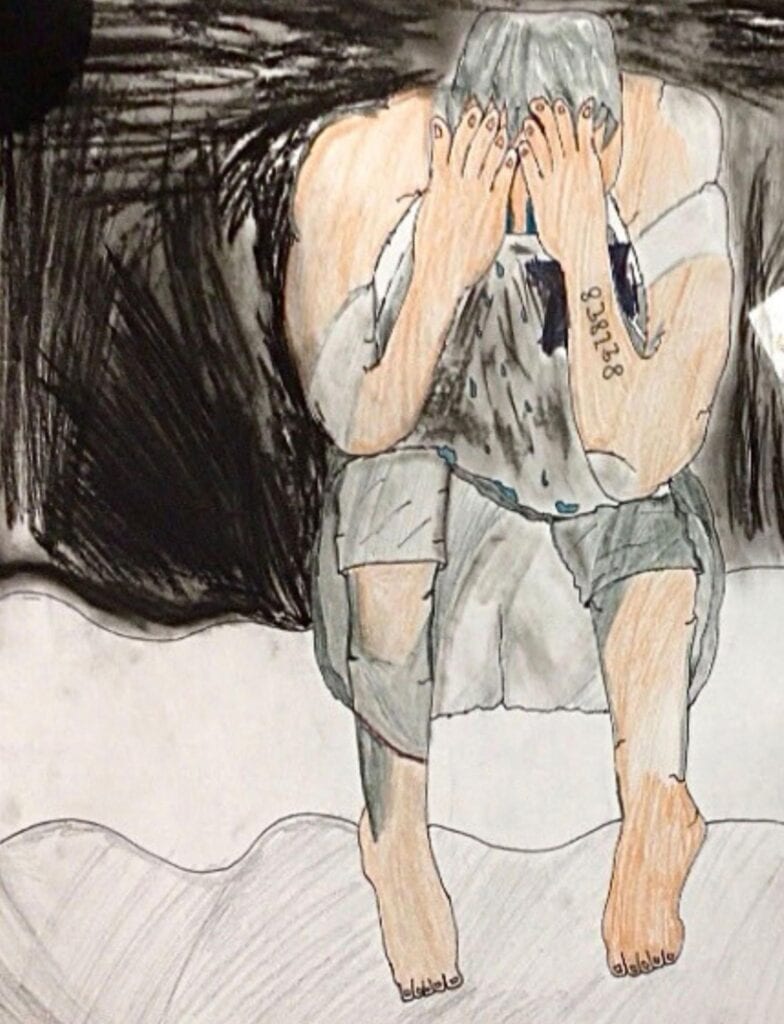
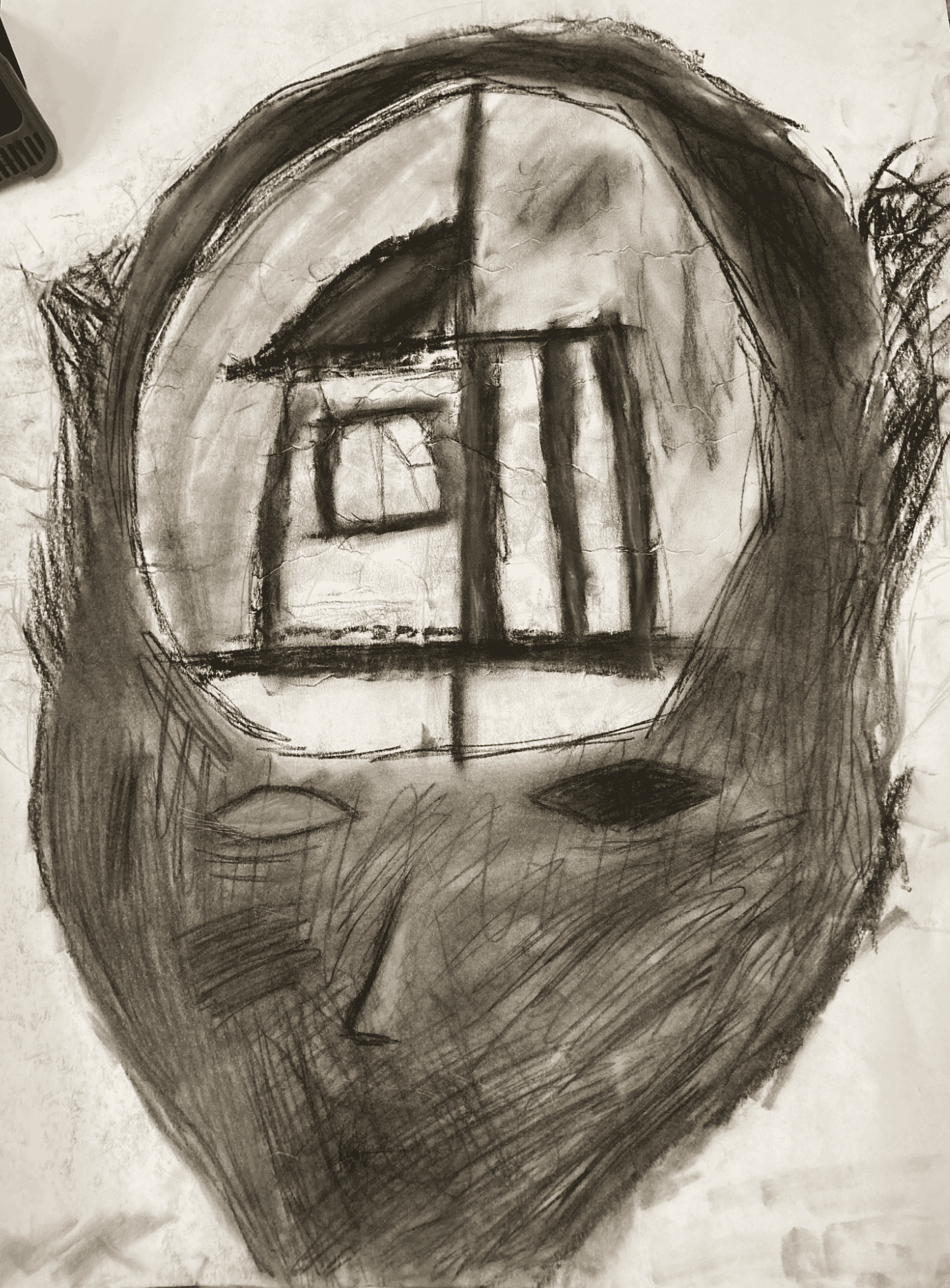
“The mood, found through dark colors and shadows, and the chicken-scratch-like brush strokes, give off a feeling of malicious intent by the individuals who tortured him with constant labor. Each of these aspects move toward the theme of confinement and trauma found within each day, as a checkpoint to make it to the next. The art I created is a portrait of an imprisoned man, curled up and depressed.”
Student Artist
Aidan Gelvoria
“The mood, found through dark colors and shadows, and the chicken-scratch-like brush strokes, give off a feeling of malicious intent by the individuals who tortured him with constant labor. Each of these aspects move toward the theme of confinement and trauma found within each day, as a checkpoint to make it to the next. The art I created is a portrait of an imprisoned man, curled up and depressed.”
— Aidan Gelvoria
Artist
David Labkovski
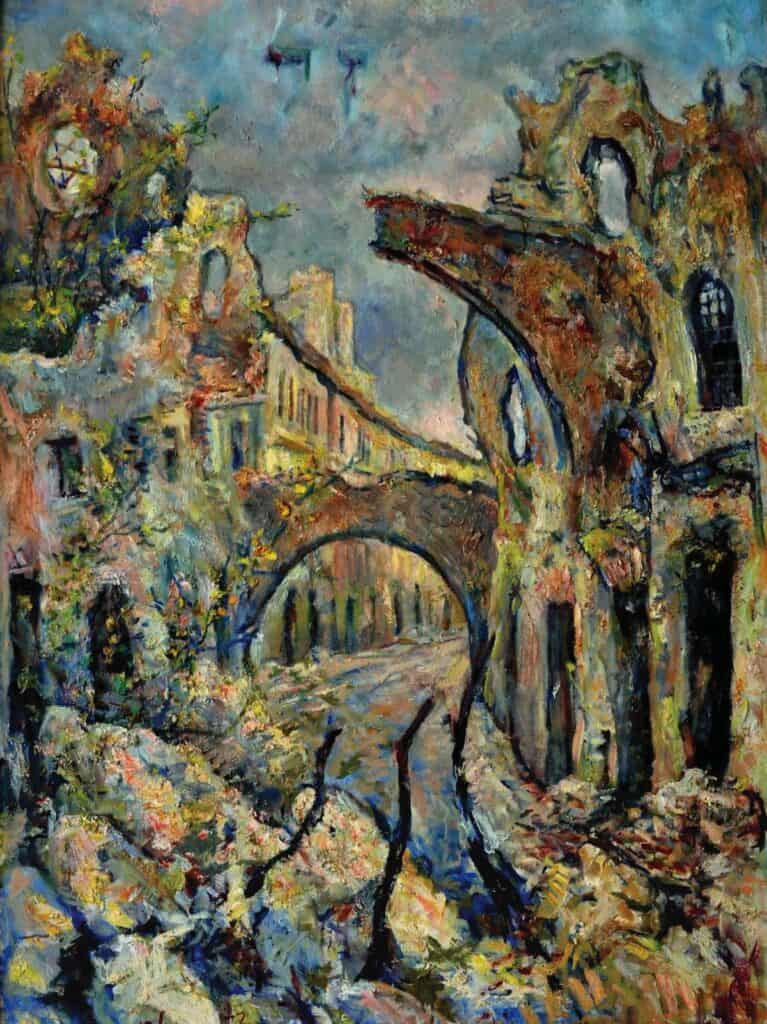
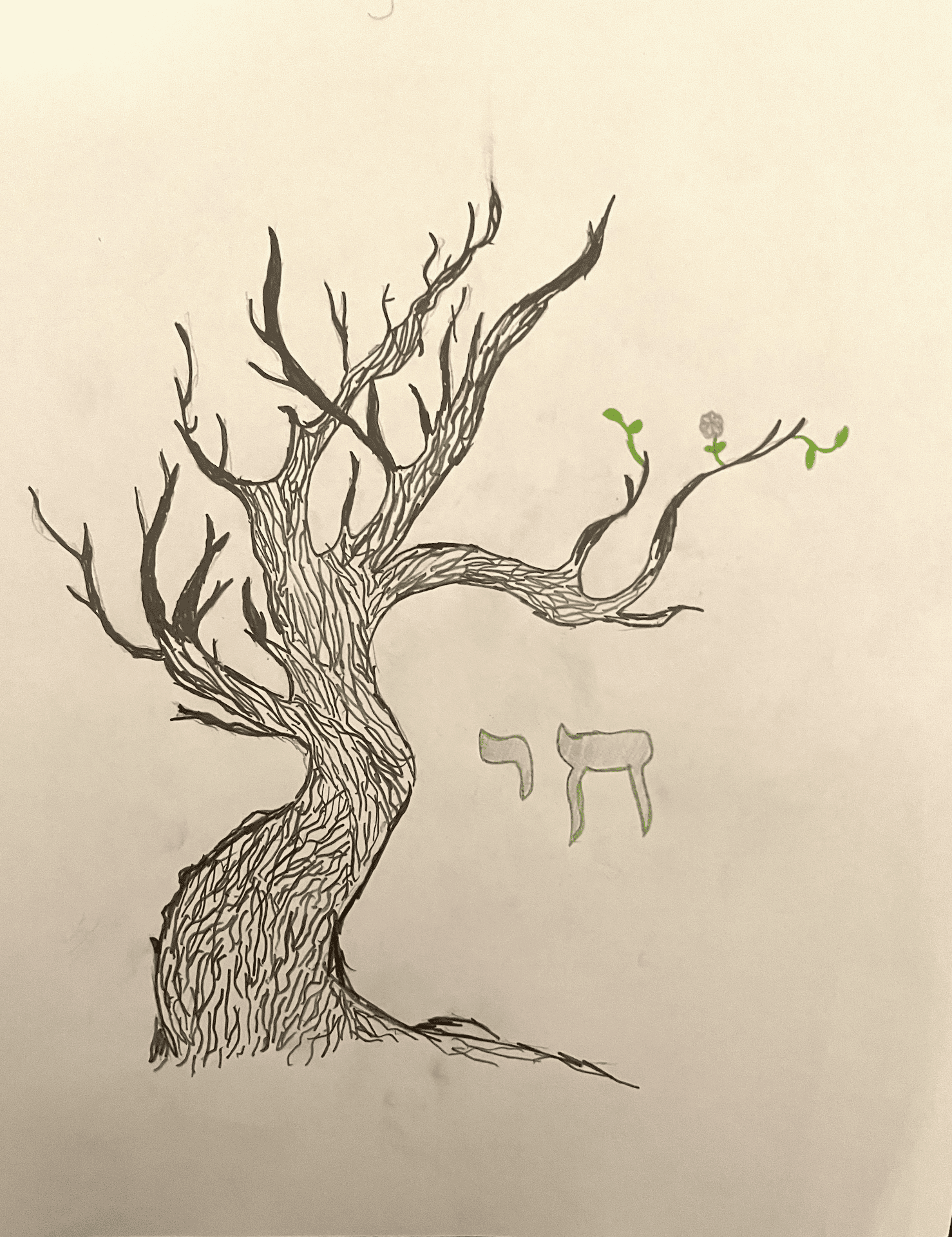
“I incorporated the message from Labkovski’s painting into some of my own ideas about Judaism and the Jewish community. The dead tree symbolizes the hardships we have gone through as a community. But the flower, leaves, and chai show that we survive and blossom again, we live on and grow.”
Student Artist
Leo Sicklick
“I incorporated the message from Labkovski’s painting into some of my own ideas about Judaism and the Jewish community. The dead tree symbolizes the hardships we have gone through as a community. But the flower, leaves, and chai show that we survive and blossom again, we live on and grow.”
— Leo Sicklick
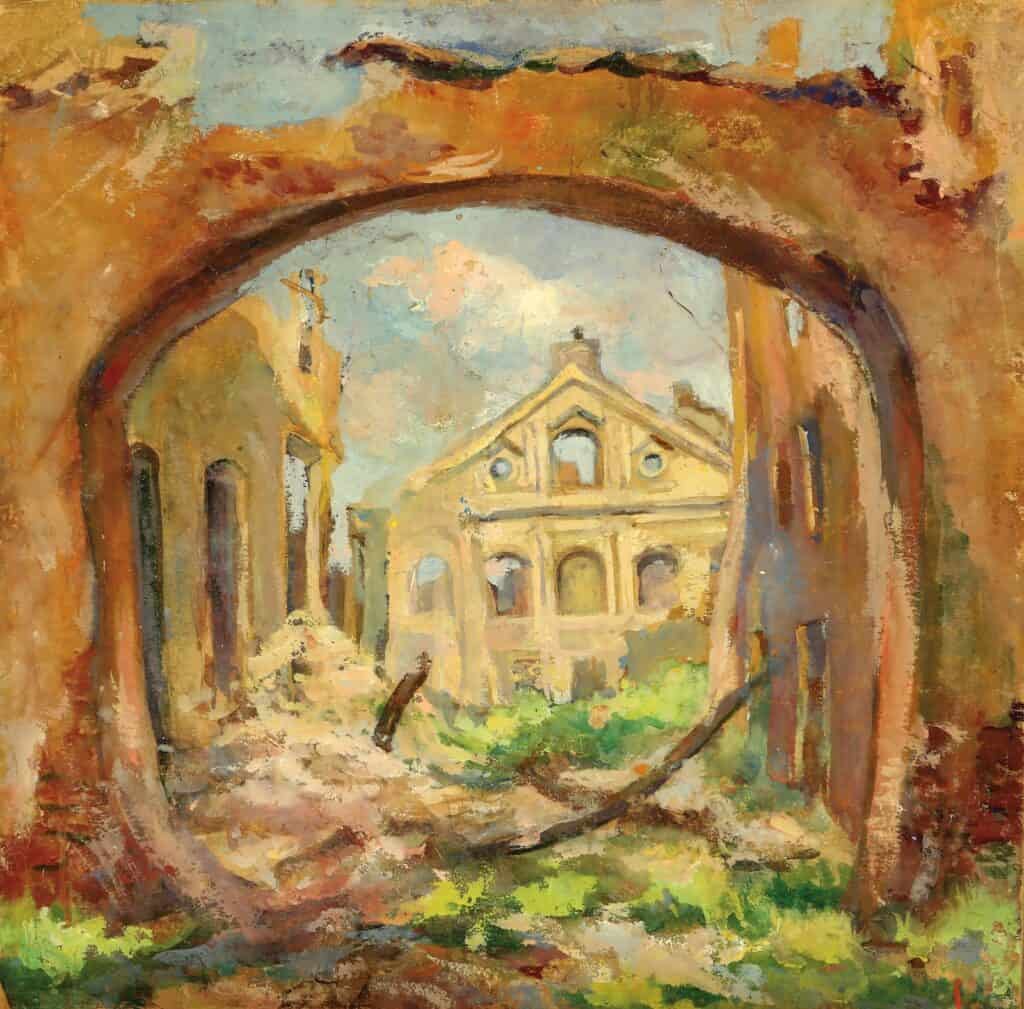
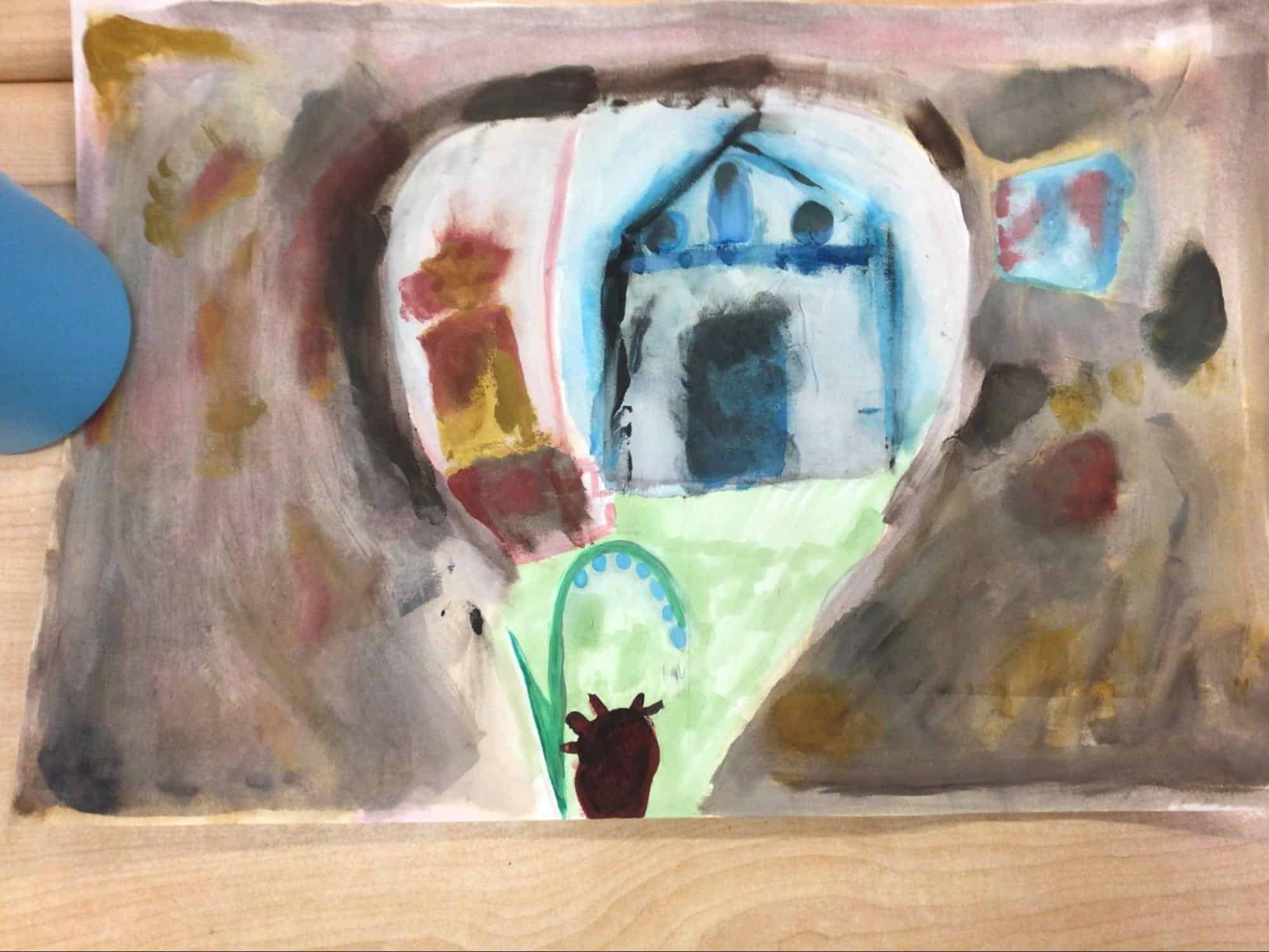
“This art was made to have messy and hard to see lines to show the terror and pain of seeing your home with no one there. The heart is supposed to represent the physical lack of people while the flower (lily of the valley) is supposed to show hope.”
— Tatiana Filippova
“Labkovski is curled up in solitary confinement, unable to stand, lay down, and is suffering in extreme cold. Painted with grey hues and desaturated colors, Labkovski is seen in a state of deep sadness and depression, possibly contemplating if he’s ever going to get out of the Gulag.
My art piece takes a slightly different turn from the original mood, structuring it with a little bit of hope. Although Labkovski might be in a dark place right now, he can push through with some of the light and joy in the life he once had.”
— Ethan Muljono
“I felt that even though this Labkovski artwork was bright, there was a hidden darkness and somberness, as the background shows.
Putting my own emotions into the piece, the skeleton represents how even though you live through a tragedy or heartbreak, you will always have the side of you that can’t fully move on, a part of you that will never heal —you just learn to live with it.”
— Bryan Saravia Diaz
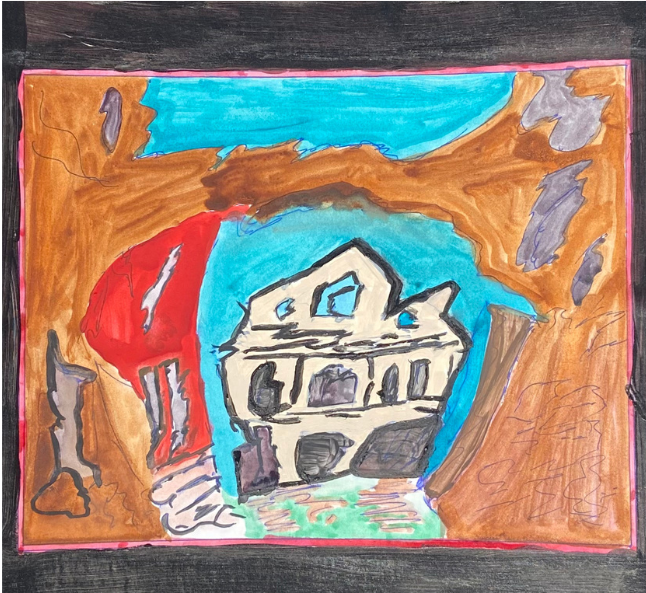
“I recreated David Labkovski’s painting of Vilna, after the war.”
— Emma Jimenez
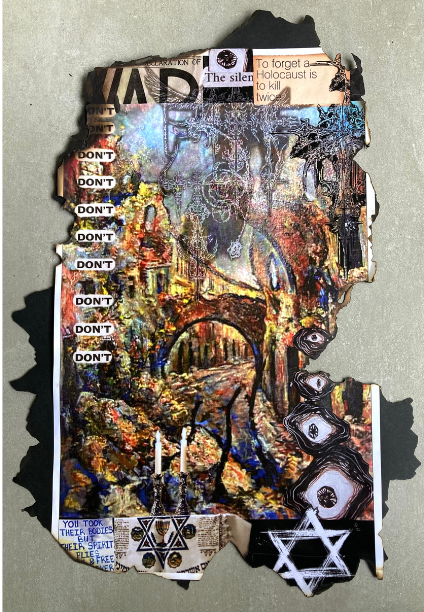
“The paper is burned to show the destruction of Vilna. The eyes represent the world that watched with fear and shame. The ‘don’t’ stands for don’t kill, don’t destroy, don’t take, don’t burn. ‘The silence’ represents the loud silence that fell on the city after. I included a quote from Elie Wiesel, ‘To forget a Holocaust is to kill twice.'”
— Christopher Lares
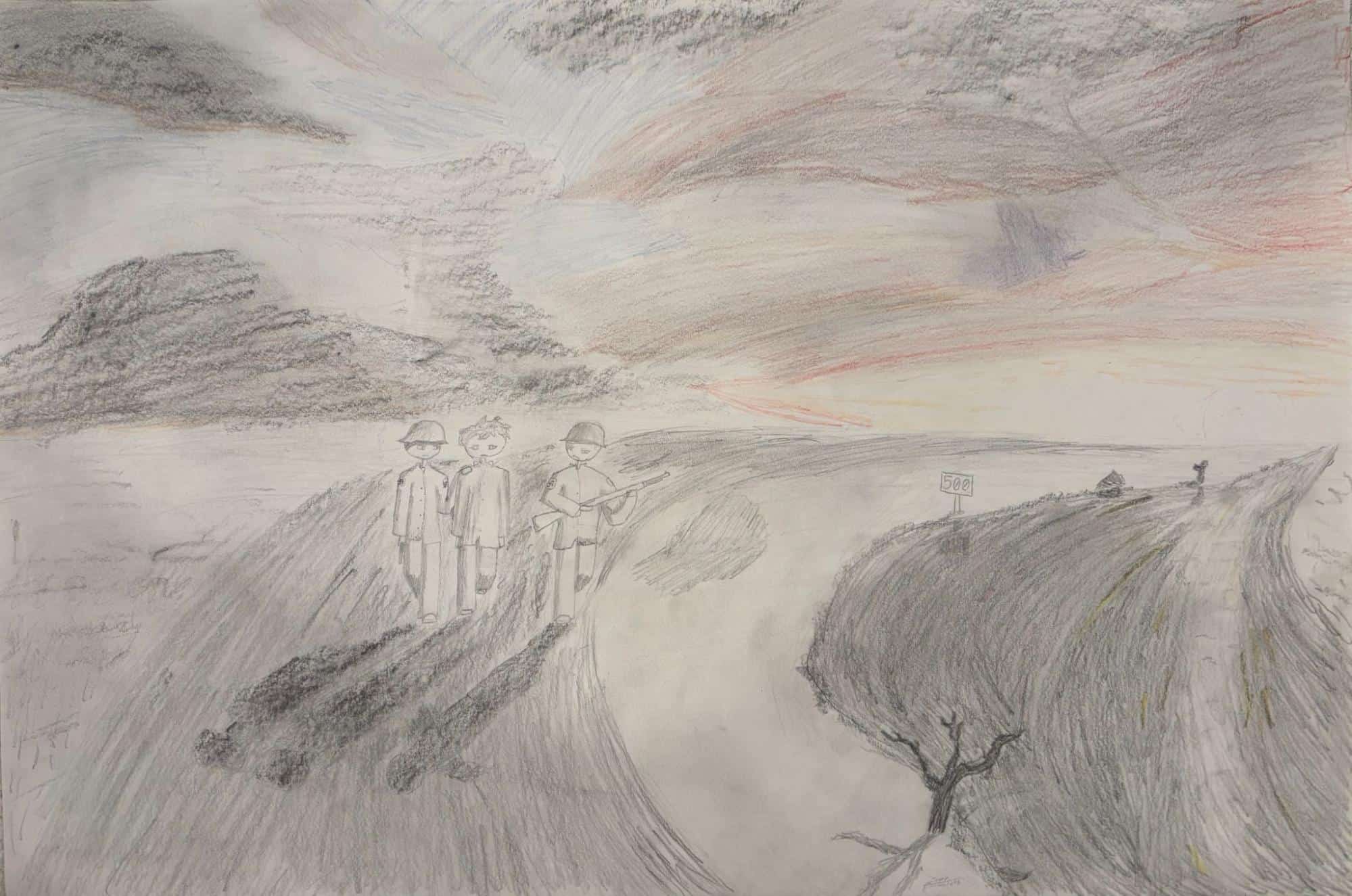
“Labkovski’s painting shows Jews stripped of their individuality, bound to converge on a path of certain death. My art attempted to recreate the dreary, dark tone of Labkovski’s work. While Labkovski focused on the uniformity of the crowd and darker colors, I chose to make the soldiers and the prisoner a main subject, creating a feeling of hopelessness by having the face of the prisoner look completely hollow, as he is likely led to his death.”
— Evan Follrath
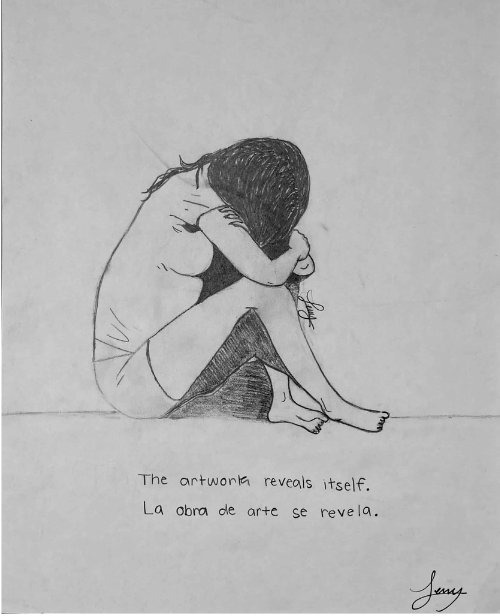
“The artwork reveals itself. La obra de arte se revela.”
— Jenny Nava
“This painting is showing how the world is growing back and recovering after something tragic, or how Labkovski is growing after the war.
My art represents that even though things are growing back and life seems brighter, the world will never be the same. This relates to our lives and the broader world because when people experience horrible things or trauma, no matter how pretty the world actually is, the world will actually never look the same to them.”
— Isabella Diaz
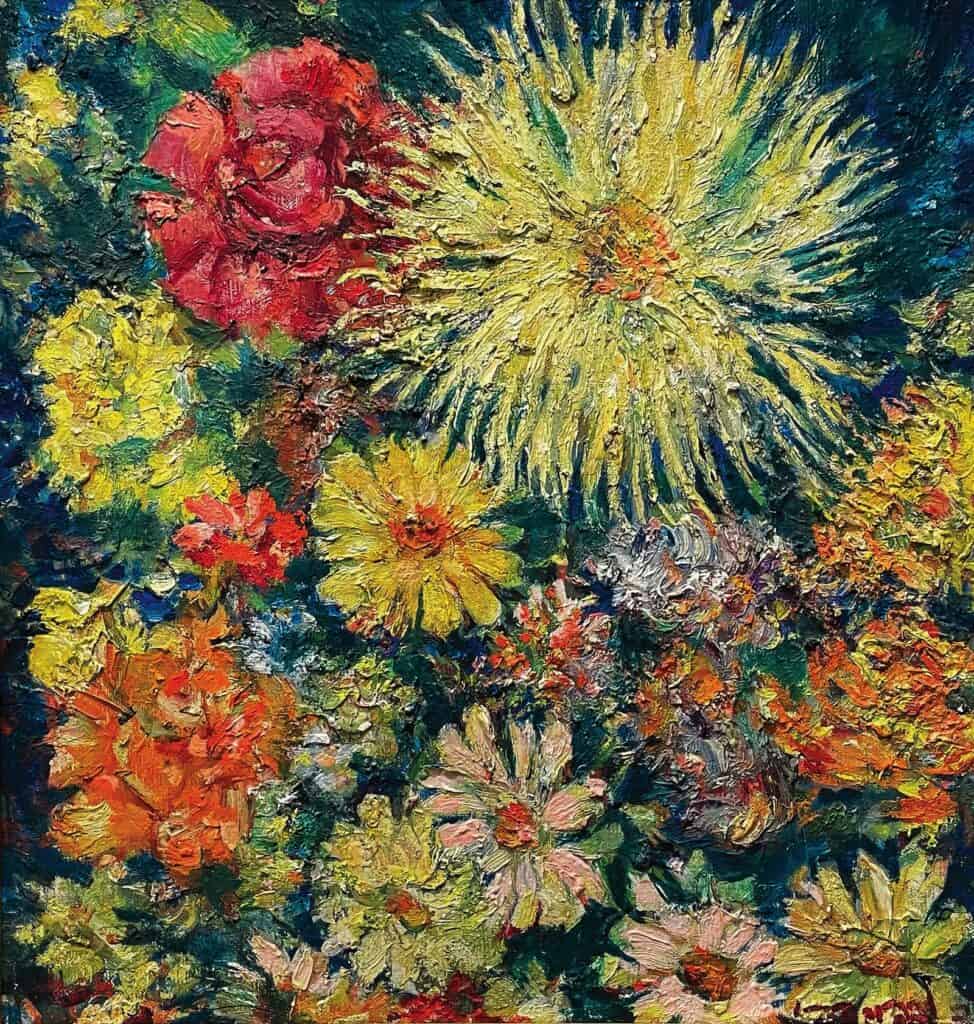
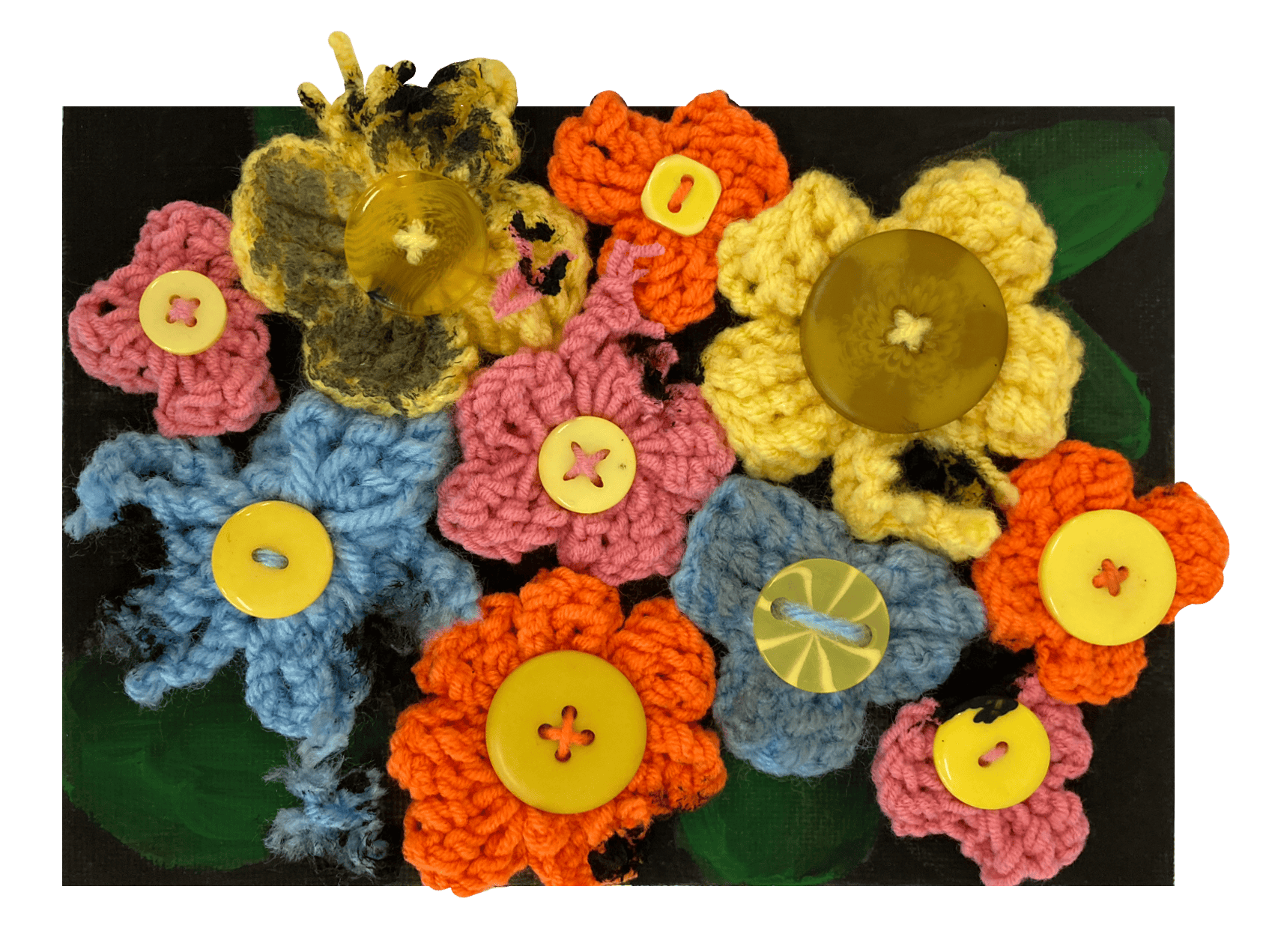
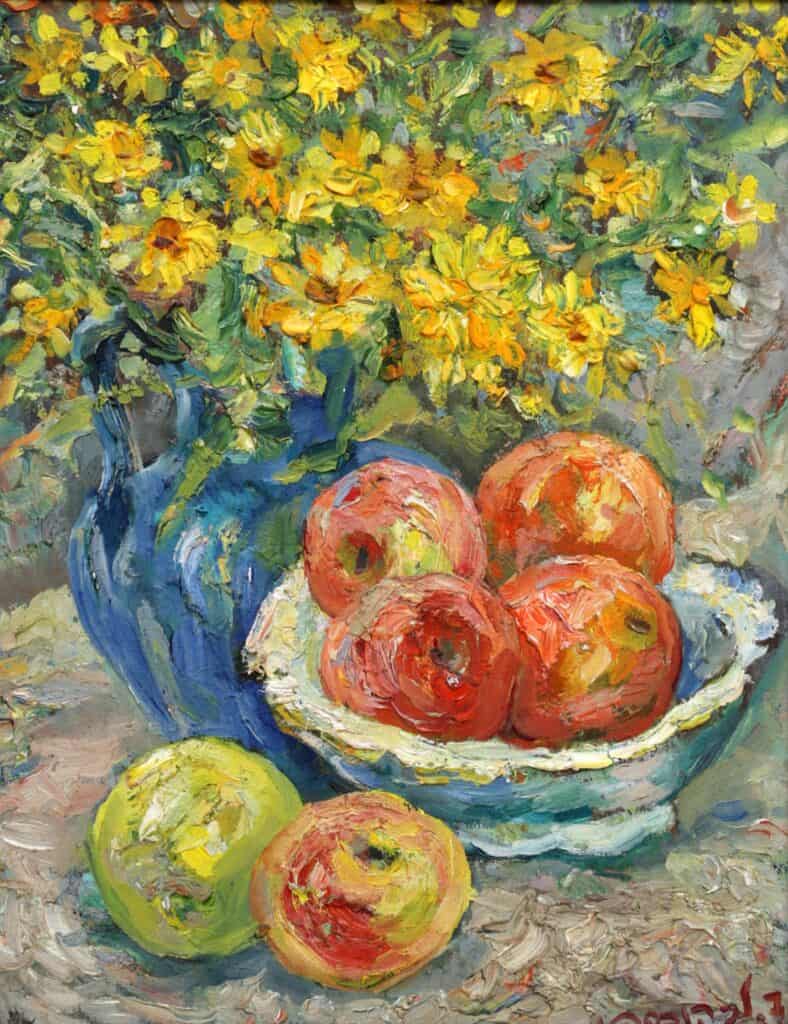
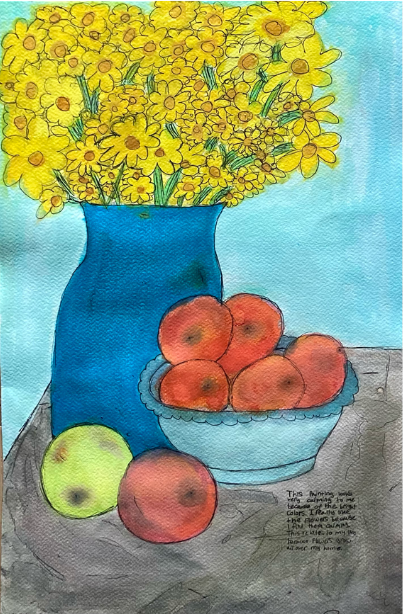
“I recreated David Labkovski’s painting of fruit and flowers. His painting was very calming to me because of the bright colors and it relates to my life because flowers grow all over my home.”
— Stephanie Martinez
Register NOW for the
10th Anniversary Celebration!
Sunday, March 8, 2026 @ 10AM
Hyatt Regency Westlake
For ten years, David Labkovski Project has brought Holocaust education to life through art, student voices, and human connections. In 2026, we invite you to honor this legacy, reflect on its impact, and help shape the future of this vital work.